






Was machen wir?
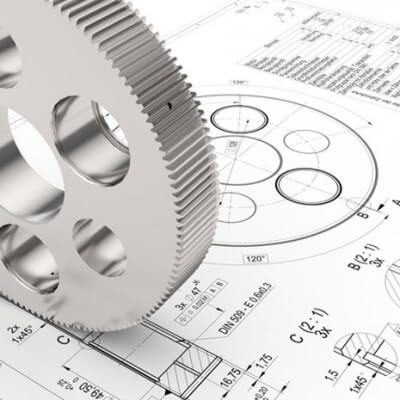
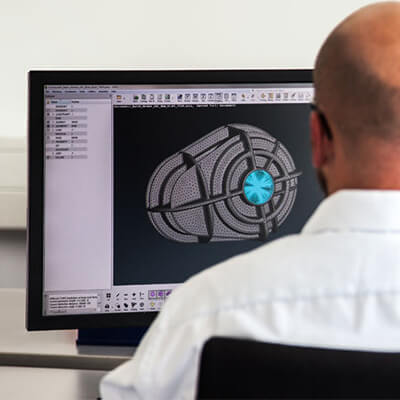
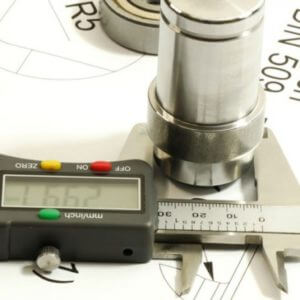
Unser Portfolio an Ingenieurleistungen reicht von der Konstruktion über die Simulation und das Toleranzmanagement bis hin zur Messtechnik – alles aus einer Hand und immer am Puls der Zeit.
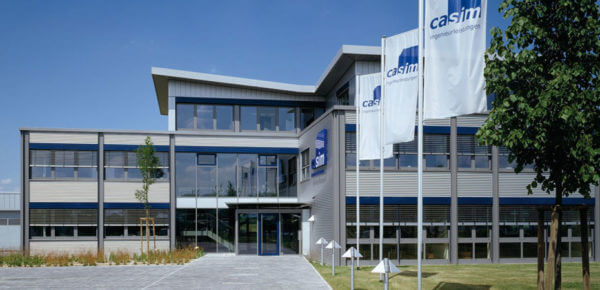
Willkommen auf der Website von casim,
einem der führenden Ingenieurunternehmen in Nordhessen. Als erfolgreicher, innovativer und stetig wachsender Engineering-Dienstleister arbeiten wir an den Technologien von morgen und bieten entwicklungsnahe, zukunftssichere Lösungen. Ob alternative Antriebstechnologien, Industrie 4.0 oder neueste Entwicklungen in der Medizintechnik – wir arbeiten stets am Puls der Zeit, damit es die Menschen in Zukunft besser haben. Nutzen Sie unser Know-how für Ihren Erfolg. Denn Engineering ist unsere Leidenschaft.
UNSERE LEISTUNGEN
„Zusammen mit unserem langjährigen Engineering-Partner casim konnten wir ein innovatives System entwickeln, welches unsere führende Marktposition auch in Zukunft sichert.“
„Wenn es um die volle Wertschöpfungskette geht, bietet unser Engineering-Partner casim alles – von der Idee über die begleitende Berechnung bis hin zur fertigen Konstruktion.“
„Mit der effizienten Unterstützung unseres Engineering-Partners casim ist es gelungen, die Entwicklung unseres neuen Inhalationsgeräts zu beschleunigen, sowie Funktion und Herstellbarkeit weiter zu optimieren.“
Haben Sie noch Fragen oder möchten Sie sich persönlich beraten lassen?

Haben Sie noch Fragen oder möchten Sie sich persönlich beraten lassen?




Oder schreiben Sie uns jetzt eine Nachricht: